AMERICAN HUNGARIAN LIBRARY AND HISTORICAL SOCIETY
Amerikai Magyar Könyvtár és Történelmi Társulat

1956 Library Catalog
Keresés:
a
a
a
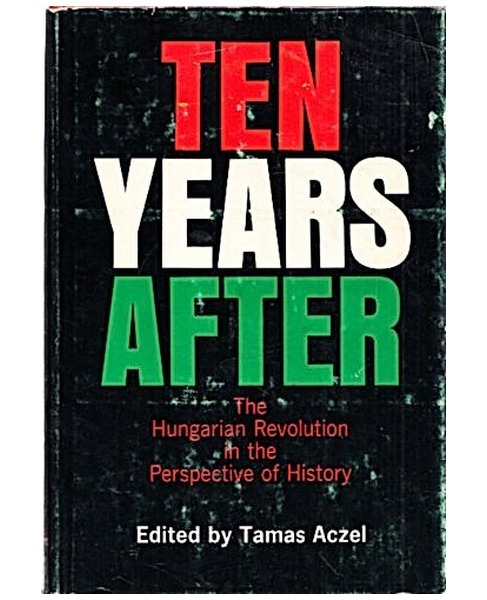
Ten Years After: The Hungarian Revolution in the Perspective of History
Aczél, Tamás (szerk.) (1966)
A scholarly collection of historical and political essays edited by Tamás Aczél, published on the tenth anniversary of the 1956 Hungarian Revolution. Through objective analyses by prominent essayists, the volume examines the domestic and international repercussions of the uprising from an émigré perspective. Presenting the mechanisms of Soviet-type dictatorship with analytical detachment, it serves as an indispensable resource for researchers of the era.
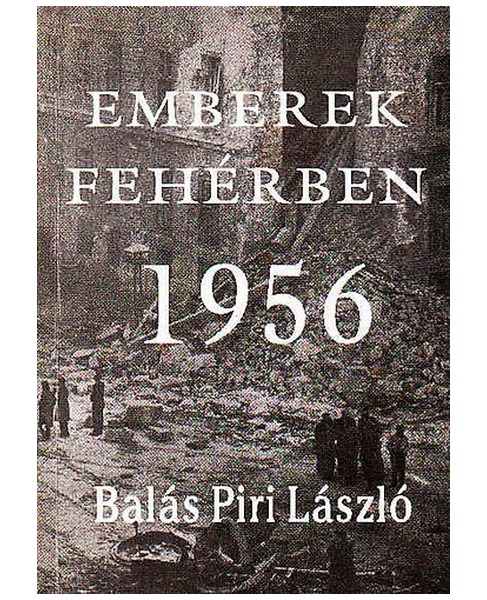
Emberek fehérben, 1956
Balás-Piri, László (1993)
A tribute to the unsung heroes of the 1956 Revolution—the physicians, nurses, and ambulance workers who performed selfless lifesaving duties. László Balás-Piri's research provides a detailed account of hospital operations during the urban combat and documents the post-revolution communist reprisals against healthcare personnel, serving as a vital source on the humanitarian dimensions of the uprising.
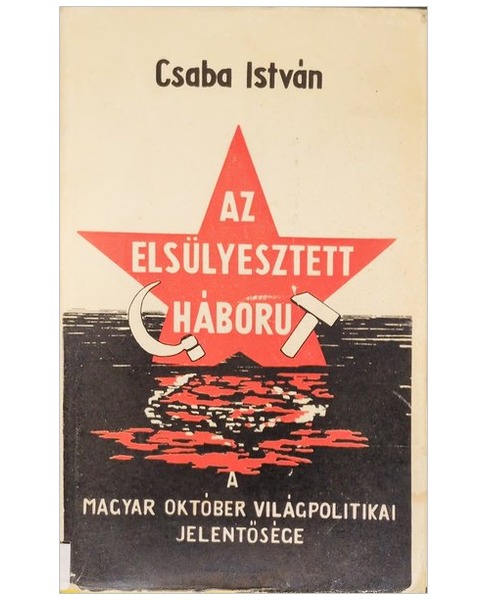
Az elsüllyesztett háború - A magyar október világpolitikai jelentősége
Csaba, István (1957)
Published in Salzburg, this early émigré study examines the geopolitical ramifications of the 1956 Hungarian Revolution and its impact on the Cold War balance of power. The book offers valuable contemporary insights into Western diplomatic inaction and the broader global context of the uprising, holding high historiographical value among early exile publications.
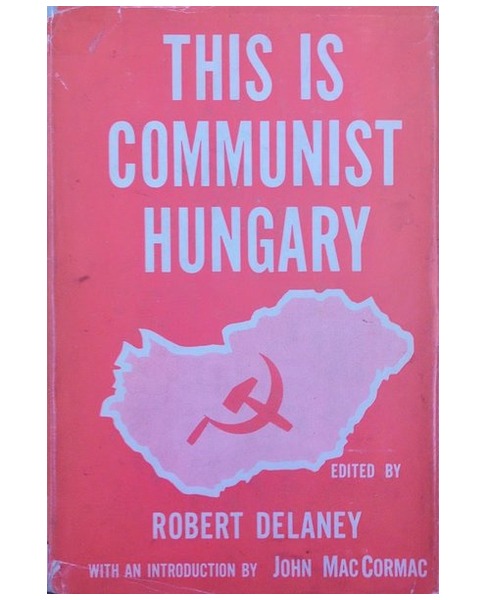
This is Communist Hungary
Delaney, Robert Finley (1958)
Drawing upon firsthand testimonies of Hungarian refugees and regional specialists, this work documents the consolidation of communist totalitarianism and daily life behind the Iron Curtain leading up to 1956. While reflecting the heightened anti-communist rhetoric of the early Cold War, it provides crucial primary evidence of how the American public was informed about Hungarian reality in the immediate aftermath of the revolution.
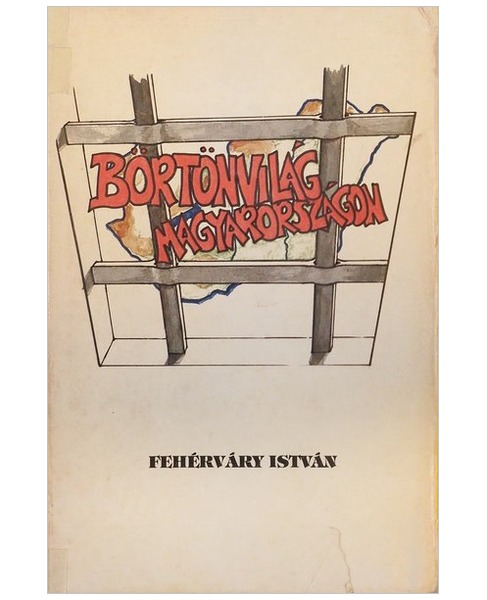
Börtönvilág Magyarországon 1945-1956
Fehérváry, István (1978)
István Fehérváry's seminal émigré publication exposes the brutal reality of the Stalinist prison and labor camp system (including Recsk) run by the State Protection Authority (ÁVH) between 1945 and 1956. Based on personal testimony and rigorous research, the volume includes lists of political prisoners and executed martyrs, representing one of the earliest comprehensive accounts of communist terror published in the West.
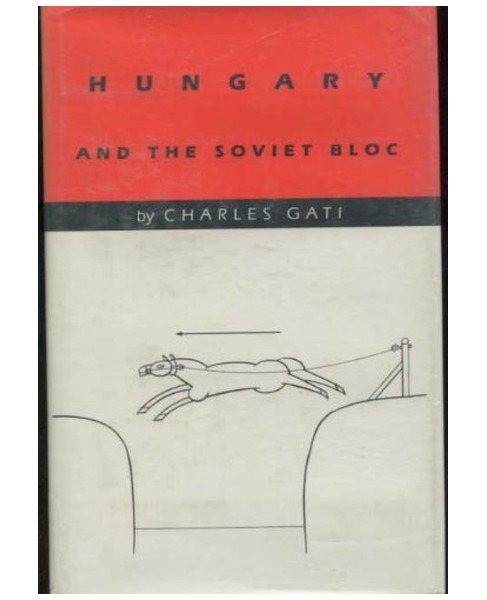
Hungary and the Soviet bloc
Gati, Charles (1986)
A collection of essays by distinguished political scientist Charles Gati analyzing the intricate relations between Hungary, the Soviet Union, and Warsaw Pact satellite states from 1944 through the mid-1980s. The author investigates the limited maneuvering room of Hungarian communist leaders, the failures of early reform initiatives, and the diplomatic dynamics surrounding 1956, providing an exemplary scholarly framework for Cold War foreign policy research.
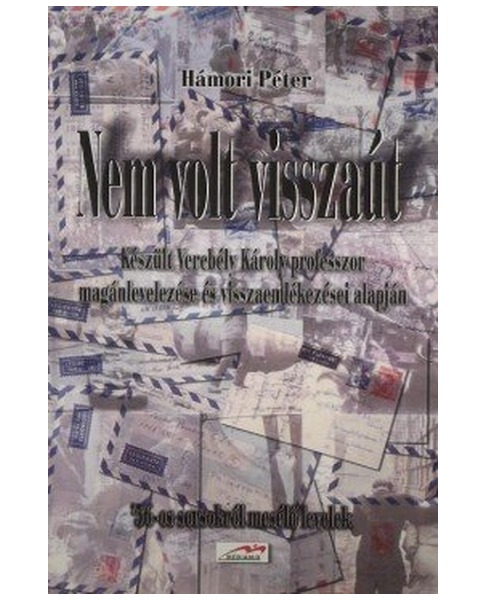
Nem volt visszaút
Hámori, Péter (2008)
Péter Hámori's social history explores the mass exodus following the defeat of the 1956 Revolution and the complex realities of refugee integration across Western societies. Moving beyond romanticized exile narratives, the book objectively evaluates the demographic, economic, and psychological consequences of departure, making it an invaluable resource for understanding the postwar Hungarian diaspora.
Beszélgetések
Huszár, Tibor (1983)
A collection of profound life-history dialogues conducted by Gyula Borbándi with pivotal figures of the 1956 Revolution and Western Hungarian intellectual life. The interviews capture essential oral history evidence regarding political organizing, exile publishing, and the intellectual resistance against totalitarianism.
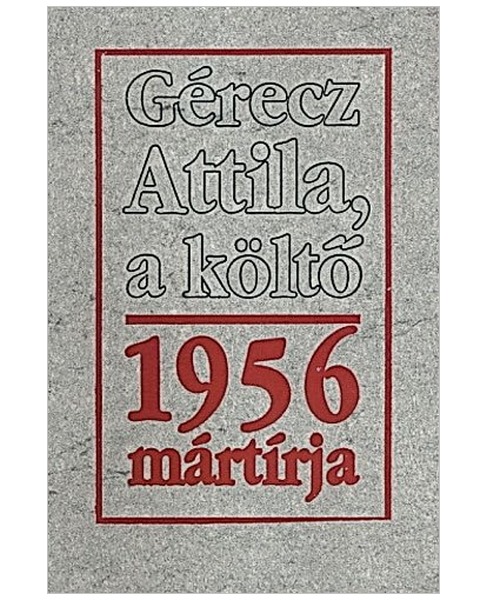
Gérecz Attila, a költő 1956 mártírja
Kárpáti, Kamil (1991)
A monograph dedicated to Attila Gérecz (1929–1956), the celebrated poet and pentathlete who was imprisoned as a political dissident under Rákosi, escaped during the revolution, and died in combat fighting Soviet tanks in Budapest. The book analyzes his poetic legacy alongside his heroic martyrdom, illustrating the convergence of literature and armed resistance in 1956.
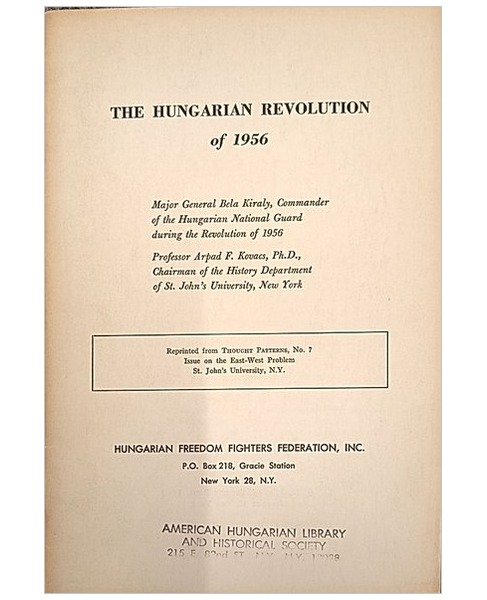
The Hungarian revolution of 1956
Király, Béla (1960)
Published under the auspices of the Society for the Dissemination of Scientific Knowledge (TIT), this volume documents the revolutionary events of 1956 through archival records and contemporaneous accounts. It highlights the spontaneous mobilization of Hungarian society and the establishment of local revolutionary councils across the country.
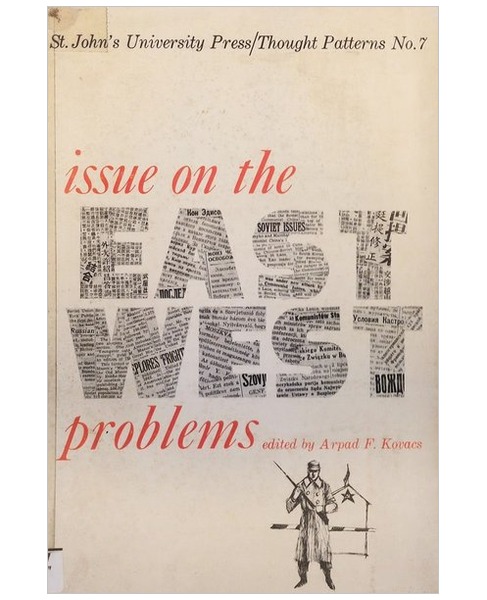
Issue on the East-West problem
Kovács, F. Árpád (1960)
Published by St. John's University Press, this Cold War symposium brings together prominent scholars, including General Béla Király and Árpád F. Kovács, to dissect East-West geopolitical tensions in the wake of the 1956 Hungarian Revolution. It offers essential historical perspectives on American strategic doctrine, containment, and the limitations of Western liberation policy.
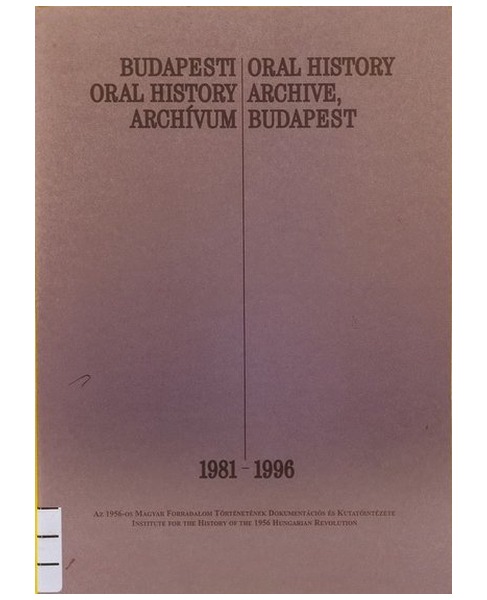
Budapesti Oral History Archívum, 1981-1996
Kozák, Gyula (1996)
A comprehensive descriptive catalog of the first fifteen years (1981–1996) and 768 life-course audio interviews archived by the Budapest Oral History Archive of the 1956 Institute. This volume constitutes an indispensable scholarly guide to one of the world's premier primary source repositories on 20th-century Hungarian history and dissident movements.
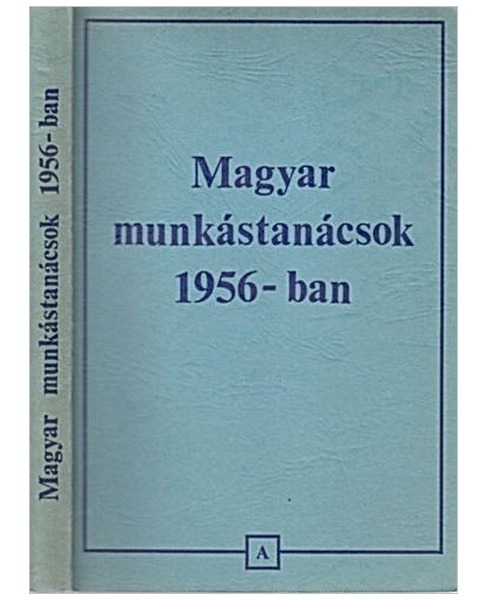
Magyar munkástanácsok 1956-ban dokumentumok
Lomax, Bill (1986)
A vital documentary collection edited by István Kemény and British political scientist Bill Lomax, chronicling the autonomous Workers' Councils that emerged during the 1956 Revolution. Drawing upon contemporary meeting minutes, factory resolutions, and strike leaflets, the volume documents the working class's determined struggle for democratic self-management against Soviet domination.
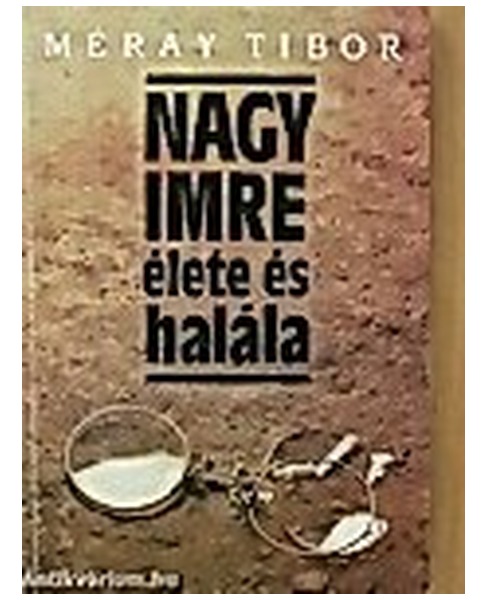
Nagy Imre élete és halála
Méray, Tibor (1989)
Tibor Méray's celebrated biography of Prime Minister Imre Nagy, tracing his political trajectory from communist loyalist to revolutionary martyr. Written from the intimate perspective of an insider who actively participated in the intellectual ferment of 1956, the book remains a classic historical account of the ethical and ideological struggles within the communist elite.
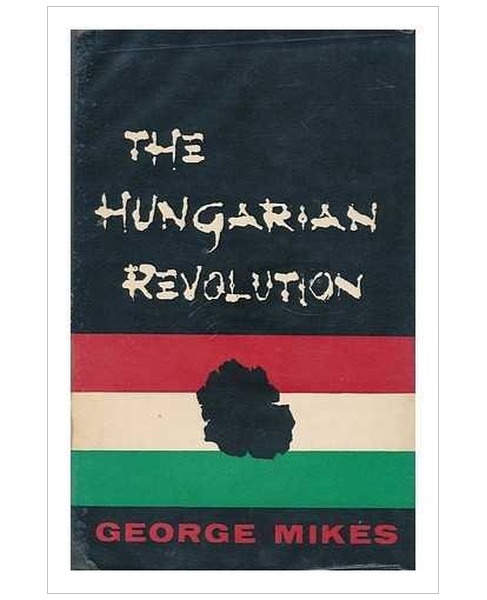
The Hungarian revolution
Mikes, George (1957)
Written with the immediacy of a frontline observer by BBC correspondent George Mikes, this work was among the very first English-language books to explain the 1956 Revolution to the Western public. Combining sharp political analysis with characteristic British-Hungarian wit, it provides an invaluable firsthand portrait of a nation in revolt.
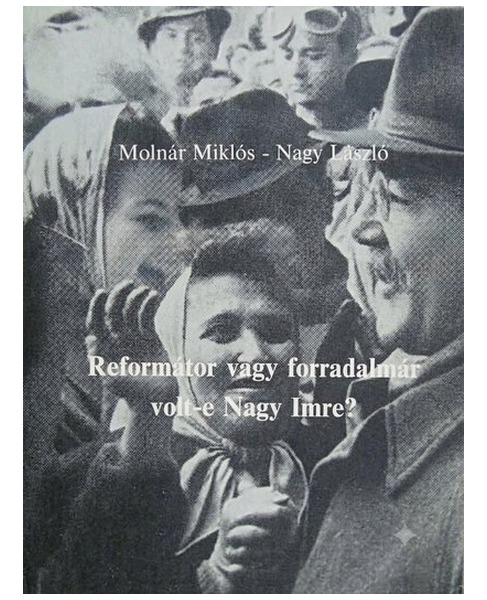
Reformátor vagy forradalmár volt-e Nagy Imre?
Molnár, Miklós (1983)
Miklós Molnár's analytical work examines the political and intellectual transformation of Imre Nagy from a dedicated Marxist reformer into the leader of a democratic national revolution. Published in French and Hungarian exile, the study illuminates Nagy's fateful ideological choices during the critical days of October–November 1956, making it an essential reference for political scientists and historians.
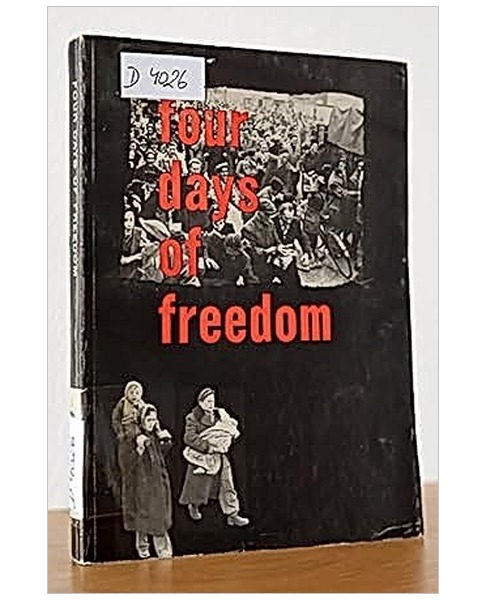
Four days of freedom the uprising in Hungary and the free trade unions of the world
Oldenbroek, J. H (1957)
An official 'White Book' compiled by the International Confederation of Free Trade Unions (ICFTU) documenting the workers' spontaneous uprising and the Soviet military intervention in Hungary. Featuring crucial evidence from free trade union declarations and Workers' Council manifestos, it provides authoritative documentation of working-class resistance against communist tyranny.
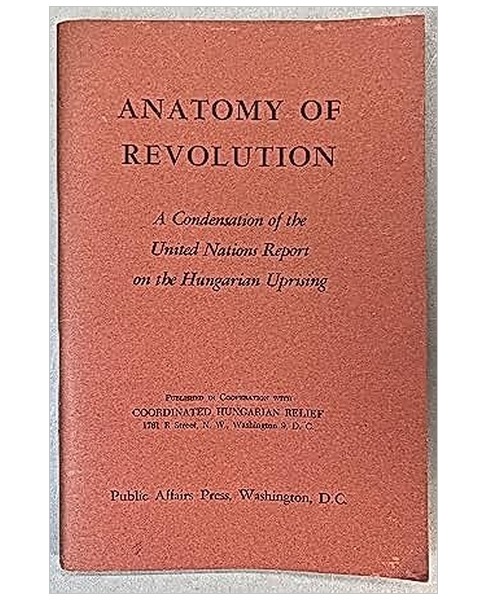
Anatomy of Revolution: A Condensation of the United Nations Report on the Hungarian Uprising
Andrews, Marshall (1957)
A condensed edition of the official 1957 Report of the United Nations Special Committee on the Problem of Hungary, examining the root causes of the revolution and Soviet armed intervention. Published to counter Soviet disinformation with verified facts, this historically significant work provides an authoritative contemporary summary of international diplomatic responses.
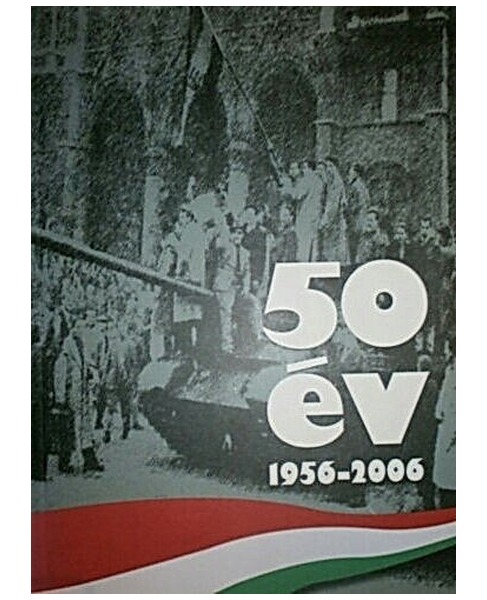
50 év - 1956-2006
Balla, Bálint (2006)
Edited by Bálint Balla on the fiftieth anniversary of the 1956 Revolution, this volume compiles scholarly reflections from the Western Hungarian diaspora. It provides rigorous sociological and historical assessments of the revolution's societal impacts, refugee experiences, and long-term international legacy, standing as both an authoritative reference work and a memorial volume.
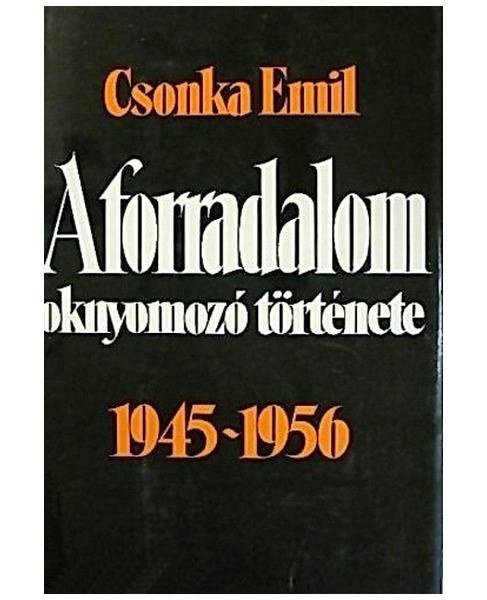
A forradalom oknyomozó története 1945-1956
Csonka, Emil (1981)
One of the most exhaustive émigré investigations into the Hungarian Revolution, offering a detailed chronological analysis of the political, diplomatic, and military background from 1945 to 1956. Emil Csonka draws upon extensive source material to elucidate the causes of the uprising, the brutality of Soviet intervention, and Western passivity, serving as an authoritative cornerstone of exile historiography.
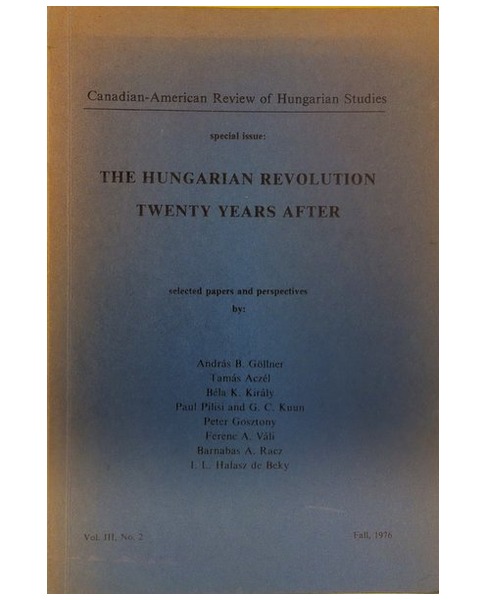
The Hungarian Revolution Twenty Years After
Dreisziger, Nandor (1976)
A collection of scholarly studies assessing the causes, course, and international aftermath of the 1956 Revolution from a twenty-year perspective. The volume places special emphasis on Canadian and American diplomatic responses, as well as the societal integration of Hungarian refugees in North America, making it an essential reference for Cold War and diaspora studies.
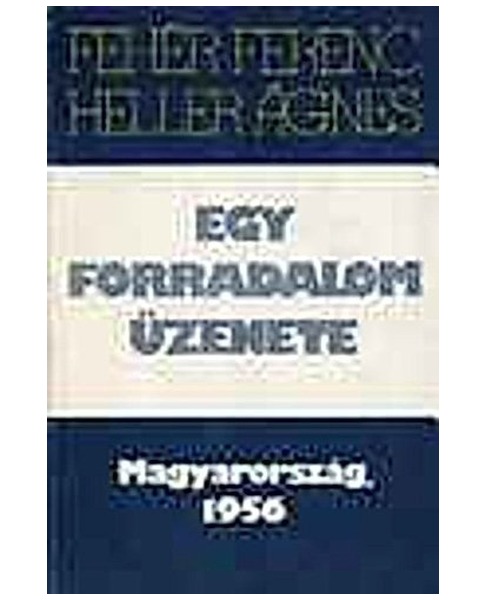
Egy forradalom üzenete Magyarország, 1956
Fehér, Ferenc ; Heller, Ágnes (1989)
Written in exile by renowned Budapest School philosophers Ferenc Fehér and Ágnes Heller, this work interprets the 1956 Revolution as a genuine democratic socialist alternative to totalitarian Stalinism. Highlighting the pivotal role of autonomous Workers' Councils and grassroots self-organization, the authors articulate an enduring political-philosophical critique that retains universal significance.
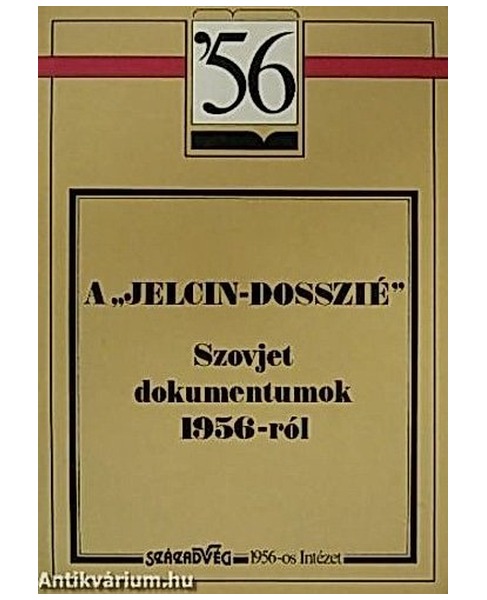
A "Jelcin-dosszié" szovjet dokumentumok 1956-ról
Gál, Éva (1993)
A monumental documentary sourcebook comprising top-secret Soviet records regarding the 1956 Revolution that Russian President Boris Yeltsin officially handed over to the Hungarian government in 1992. These documents provide unprecedented insight into the inner decision-making processes of the Soviet Politburo and the KGB, fundamentally reshaping modern historical understanding of the international crisis.
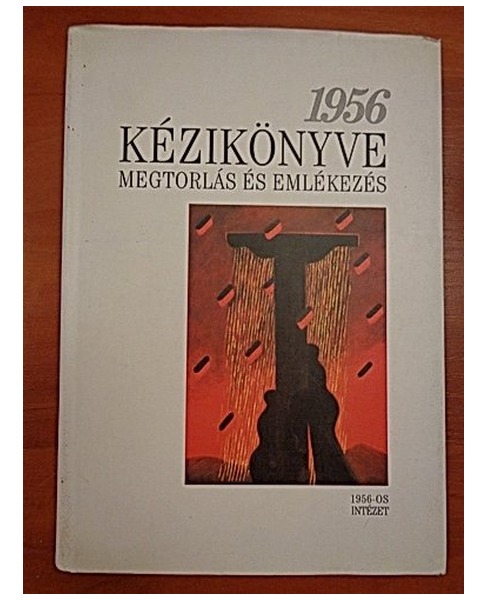
1956 kézikönyve
Hegedűs, B. András (1996)
A foundational encyclopedic handbook detailing the machinery of post-1956 communist retaliation: the operation of special police militia (pufajkások), the political police, and show trials. The volume provides comprehensive statistics on executions, prison terms, and internments, alongside thorough analyses of the prolonged resistance of Workers' Councils and the emergence of the Kádárist taboo system.
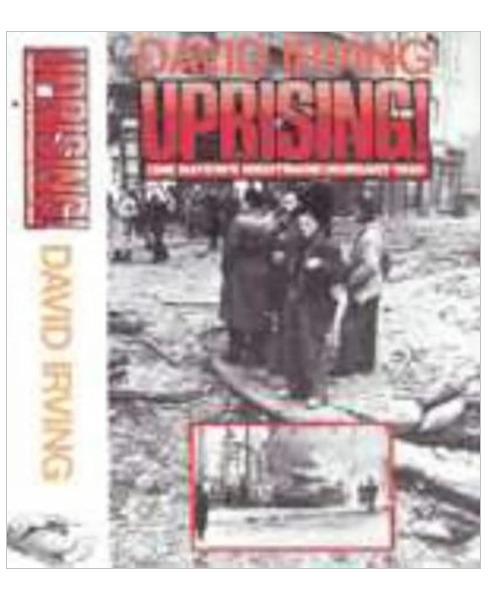
Uprising!
Irving, David John Cawdell (1981)
David Irving's dramatic narrative history of the 1956 Revolution, reconstructing the outbreak of violence, urban warfare in Budapest, and the collapse of the communist regime. While known for sensationalist narrative flair, the book draws heavily upon interviews with participants, Western intelligence archives, and contemporary diplomatic cables.

A forradalom előzményei, alakulása és utóélete
Kende, Péter (1987)
An extensive documentary history by General Béla Király, commander-in-chief of the revolutionary National Guard in 1956. Király delivers an insider military and strategic analysis of the revolution's outbreak, the formation of democratic armed forces, and the subsequent guerrilla resistance against overwhelming Soviet armor.
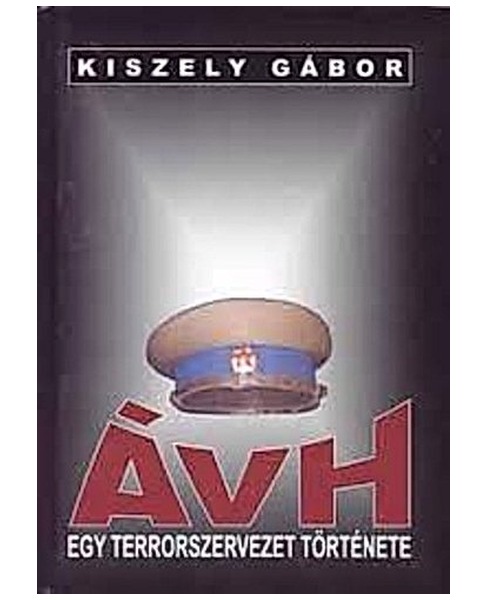
ÁVH - egy terrorszervezet története
Kiszely, Gábor (2000)
An authoritative history of the notorious State Protection Authority (ÁVH), detailing the emergence, institutional structure, and terror methods of the Hungarian political secret police from 1945 to 1956. The work illuminates the torture practices, forced confessions, and show trials that fueled the explosive popular outrage of October 1956.
Facts about Hungary
Kovács, Imre (1958)
An encyclopedic compendium compiled by Imre Kovács to provide Western diplomats, journalists, and researchers with irrefutable factual, statistical, and documentary evidence regarding the 1956 Revolution. It covers the political background, the course of Soviet military aggression, and early communist reprisals with rigorous precision.
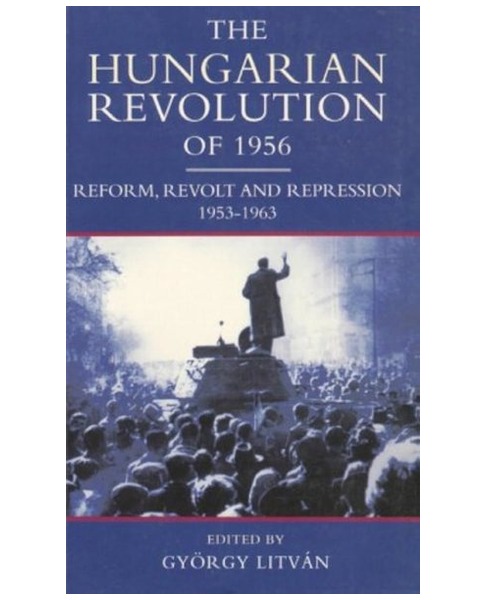
The Hungarian Revolution of 1956: Reform, Revolt and Repression, 1953-1963
Litván, György (1996)
One of the most definitive academic syntheses of the Hungarian Revolution, edited by György Litván and published by the 1956 Institute. Grounded in newly opened post-Cold War archives, the book integrates political reform movements, armed insurrection, and post-1956 repression into an authoritative narrative accessible to international scholars.
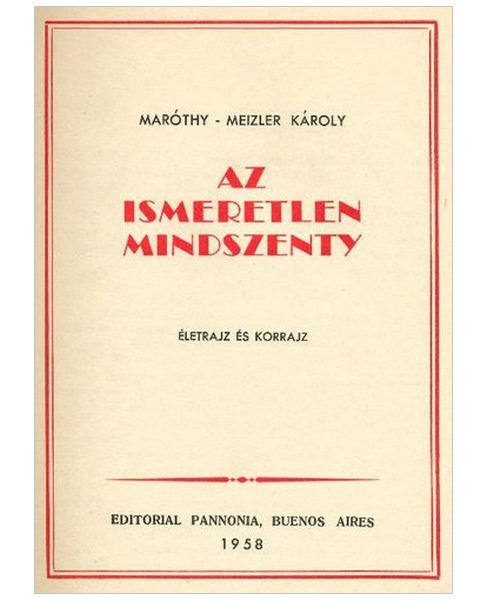
Az ismeretlen Mindszenty
Maróthy-Meizler, Károly (1958)
A deeply informed biography examining the life and steadfast anti-totalitarian resistance of Prince Primate József Cardinal Mindszenty, with special focus on his release during the 1956 Revolution and his moral leadership. Blending personal recollections with contemporary documentation, it remains an essential primary source for the study of church persecution in communist Hungary.
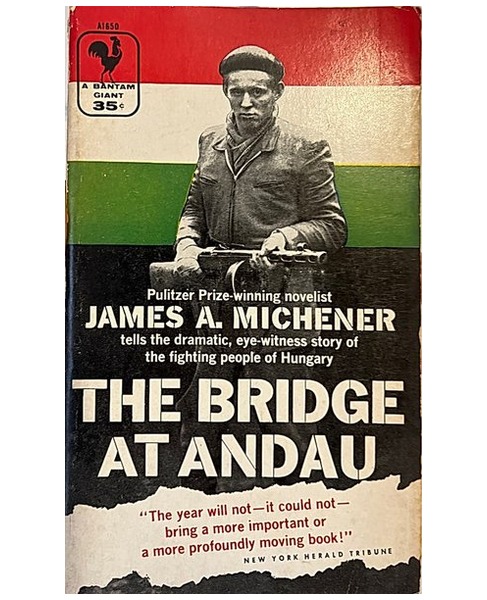
The bridge at Andau
Michener, James A. (1957)
James A. Michener's gripping, bestselling journalistic chronicle of the 1956 Revolution, based on hundreds of eyewitness interviews conducted on the Austro-Hungarian border at the Bridge of Andau. Michener vividly recreates the street battles of Budapest, ÁVH brutality, and the harrowing flight of 200,000 refugees into the free world.
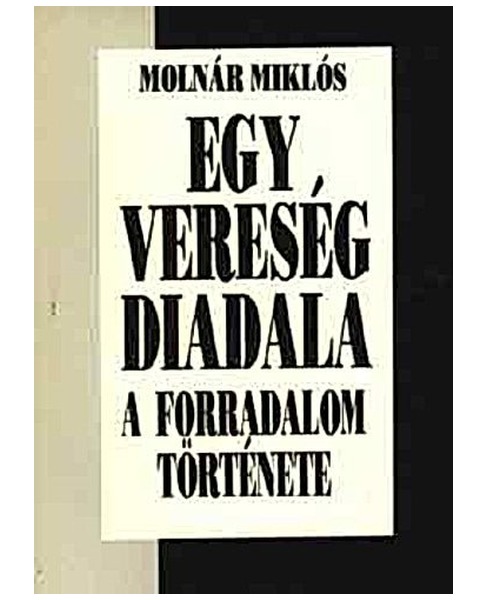
Egy vereség diadala - A forradalom története
Molnár, Miklós (1991)
Miklós Molnár's masterly historical synthesis, originally written in Swiss exile, analyzing the social dynamics that led to the 1956 Revolution, the military clashes, and the international diplomatic stalemate. The book's central thesis posits that although the uprising was crushed militarily, its moral and political triumph permanently shattered the legitimacy of Soviet totalitarianism.
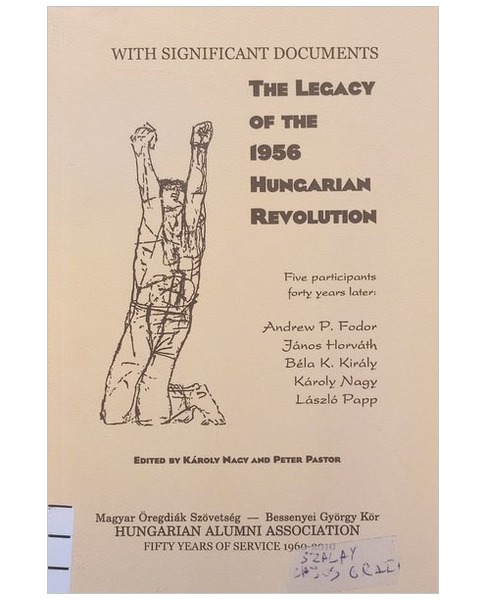
The Legacy of the 1956 Hungarian Revolution
Nagy, Károly (1996)
A commemorative anthology compiling scholarly essays and eyewitness recollections by prominent émigré academics, published in Toronto on the 40th anniversary of the 1956 Revolution. It explores the enduring international influence of the uprising, post-communist historical reassessments in democratic Hungary, and the cultural preservation efforts of North American diaspora communities.
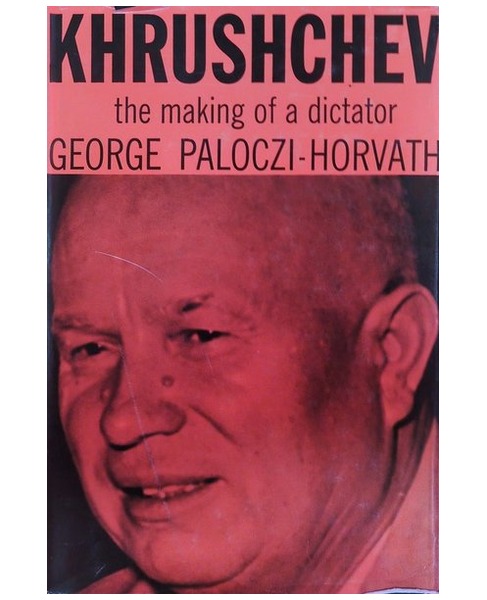
Khrushchev: the making of a dictator
Paloczy-Horvath, George (1960)
An influential Cold War political biography by American journalist Roy MacGregor-Hastie, analyzing Nikita Khrushchev's rise to power and his contradictory policies from the 'Secret Speech' to the bloody military suppression of the 1956 Hungarian Revolution. The book offers vital contemporary insights into Soviet Politburo machinations and crisis decision-making.
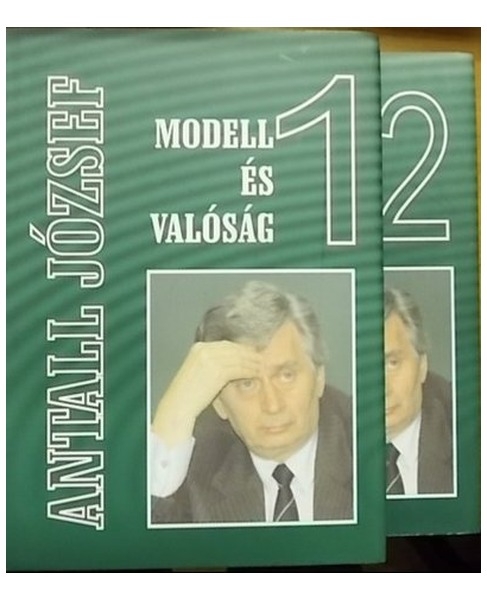
Modell és valóság
Antall, József (1993)
A collection of historical and political writings, speeches, and interviews by historian and post-communist Prime Minister József Antall, including his analyses of the 1956 Revolution. The work examines the interplay between historical governance models and political reality from the Reform Era to the democratic transition of 1989-1990, offering profound insights into modern Hungarian political thought.
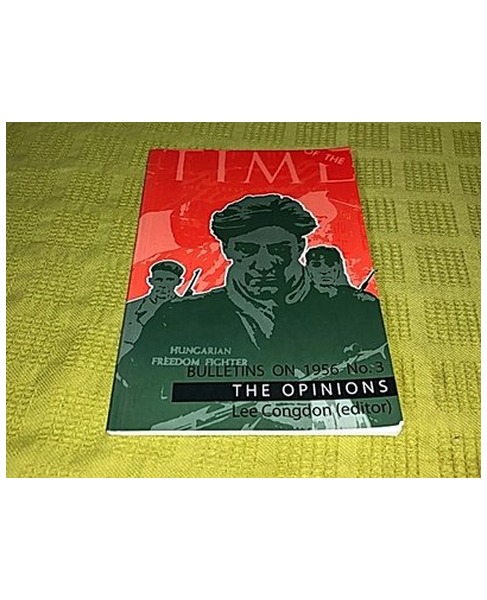
The opinions (Bulletins on 1956 No. 3)
Congdon, Lee (2006)
Selected and edited by Lee Congdon, this collection gathers seminal essays and public declarations on the 1956 Hungarian Revolution by renowned intellectuals including Albert Camus, Jean-Paul Sartre, and Hannah Arendt. It illuminates how the Hungarian uprising provoked a profound moral and ideological crisis within the Western left-wing intelligentsia, making it a critical source for studying the revolution's global intellectual reception.
A forradalom oknyomozó története 1945-1956
Csonka, Emil (1981)
One of the most exhaustive émigré investigations into the Hungarian Revolution, offering a detailed chronological analysis of the political, diplomatic, and military background from 1945 to 1956. Emil Csonka draws upon extensive source material to elucidate the causes of the uprising, the brutality of Soviet intervention, and Western passivity, serving as an authoritative cornerstone of exile historiography.
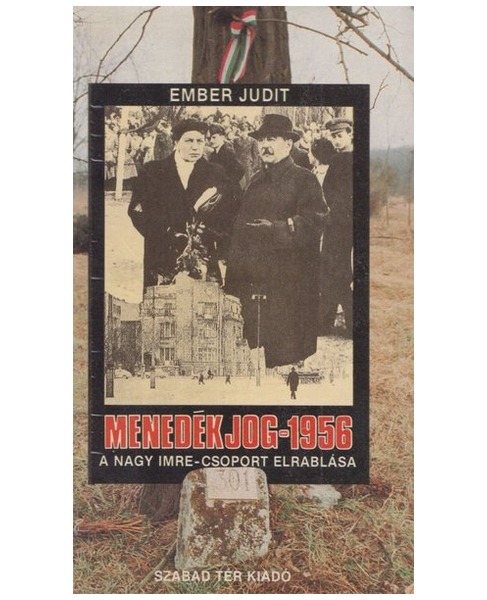
Menedékjog, 1956: A Nagy Imre-csoport elrablása
Ember, Judit (1989)
Based on primary archival records and eyewitness interviews, Judit Ember's investigative documentary work reconstructs the political asylum granted to Prime Minister Imre Nagy and his group at the Yugoslav Embassy in Budapest, followed by their treacherous abduction by Soviet and Romanian authorities. Published during the 1989 regime change, it revealed critical, previously suppressed facts about the onset of post-revolutionary terror.
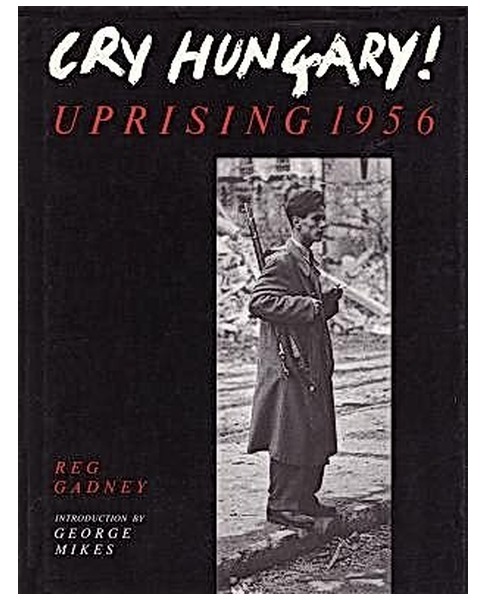
Cry Hungary! uprising 1956
Gadney, Reg (1986)
Published on the thirtieth anniversary of the uprising, Reg Gadney's compelling volume reconstructs the dramatic events of 1956 through rare archival photography and firsthand despatches from Western war correspondents. Introduced by British-Hungarian author George Mikes, the book provides a powerful visual and narrative synthesis of the street fighting and its tragic aftermath.
1956. A magyar forradalom története
Gosztonyi, Péter (1981)
For decades considered the definitive history of the 1956 Revolution within both Western academia and Hungarian samizdat networks, military historian Péter Gosztonyi's work traces the uprising day by day. With specialized focus on military operations, Soviet troop deployments, and General Pál Maléter's leadership, it delivers a rigorous and authoritative account of the armed struggle.
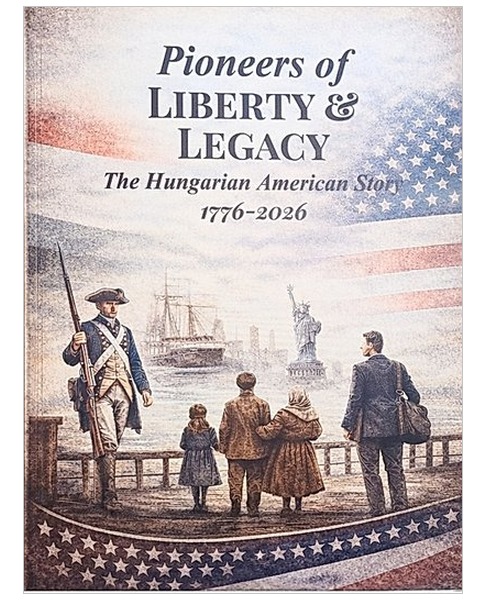
Pioneers of liberty and legacy: The Hungarian American Story 1776-2026
Hungarian American Coalition
A commemorative and historical tribute to the youth, students, and freedom fighters who spearheaded the 1956 Revolution. The work documents the moral courage and sacrifices of the revolutionary generation, chronicling both their street battles in Budapest and their contributions to preserving democratic ideals in the Western diaspora.
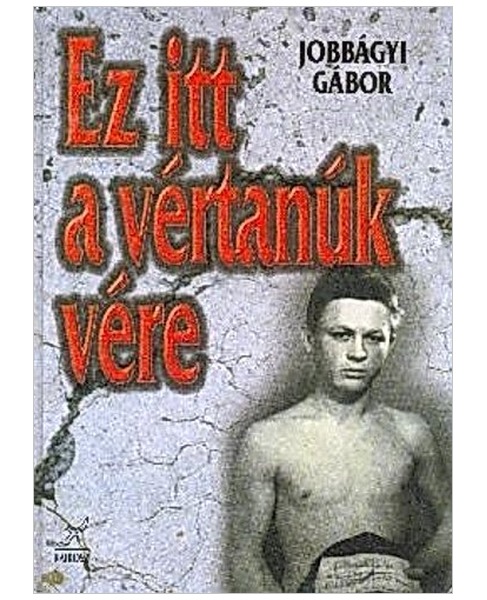
Ez itt a vértanúk vére - Az 1956 utáni megtorlási eljárások
Jobbágyi, Gábor (1998)
A deeply moving biographical martyrology compiling the life stories, trial transcripts, and final messages of patriots executed during the brutal post-1956 reprisals under János Kádár. Sándor Kanyó's documentary compilation serves as an enduring memorial and an essential primary source for the study of judicial murder in totalitarian Hungary.
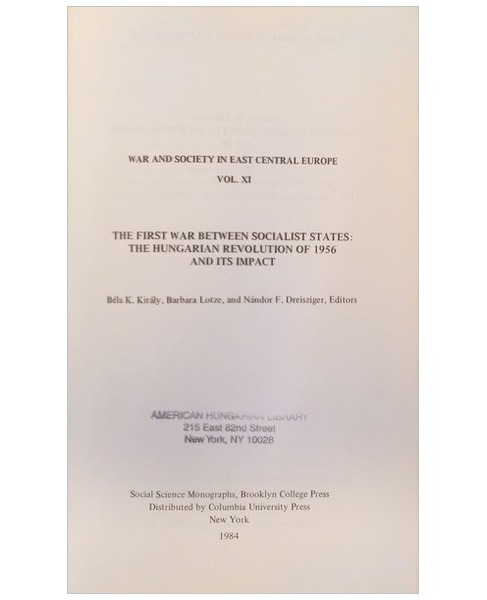
The First War Between Socialist States: The Hungarian Revolution of 1956 and Its Impact
Király, Béla (1984)
A seminal academic study exploring the 1956 Soviet invasion of Hungary as the first full-scale conventional military conflict between states governed by ruling communist parties. Edited by Béla Király and international scholars, it analyzes the military strategy, Soviet operational doctrine, and the collapse of the Warsaw Pact's ideological facade.
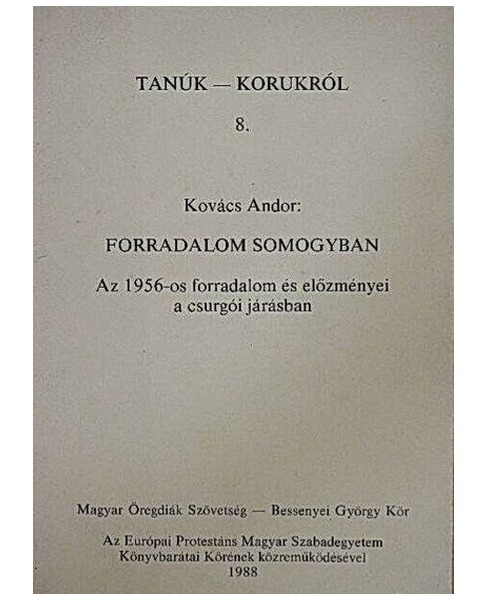
Forradalom Somogyban - Az 1956-os forradalom és előzményei a csurgói járásban
Kovács, Andor (1988)
Andor Kovács's meticulous regional history reconstructs the 1956 revolutionary events in Somogy County and the Csurgó district. The study examines local demonstrations, the formation of rural revolutionary councils, and the armed resistance organized after the November 4 Soviet invasion, providing rare and vital documentation of the uprising outside the capital.
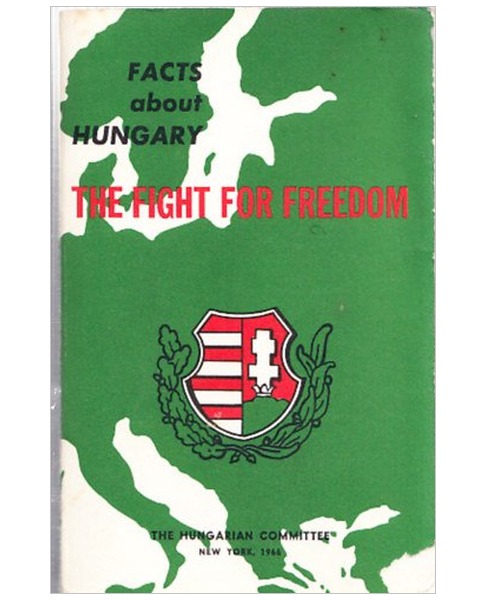
Facts About Hungary The Fight for Freedom (revised edition)
Kovács, Imre (1966)
The expanded 1966 revised edition of Imre Kovács's foundational English-language handbook on Hungary's fight for freedom. Incorporating updated data on post-1956 demographic shifts, emigration, and United Nations diplomatic deliberations, this work played an instrumental role in keeping the Hungarian issue active in Western political discourse.
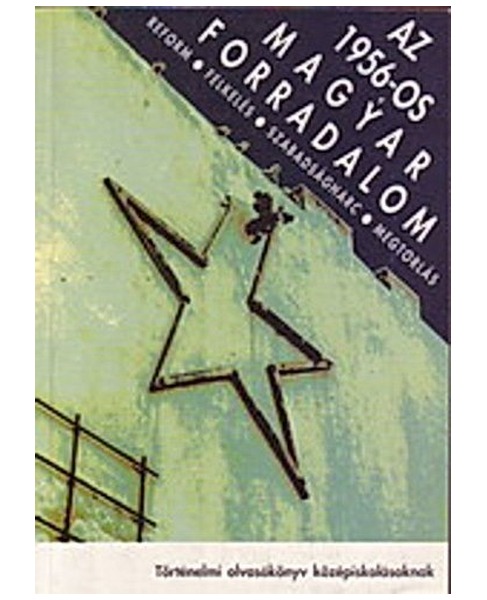
1956-os magyar forradalom reform, felkelés, szabadságharc, megtorlás történelmi olvasókönyv
Litván, György (1992)
The first official educational documentary sourcebook published in democratic Hungary after 1989, compiled by György Litván and János M. Bak. Featuring carefully curated primary documents, speeches, and memoirs, it guides readers systematically through the reform movement, the popular uprising, the war of independence, and the tragic reprisals.
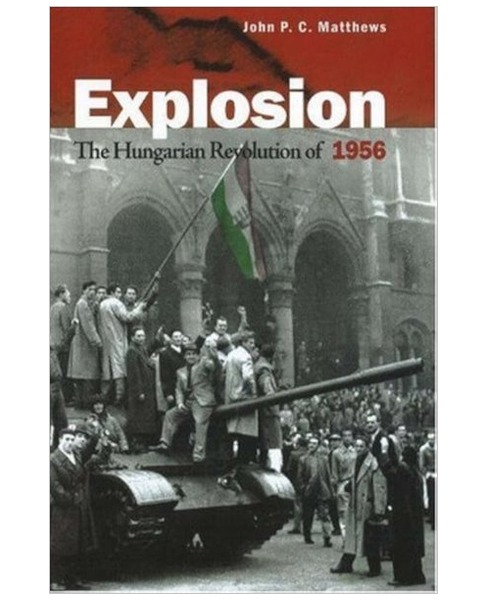
Explosion: The Hungarian Revolution of 1956
Matthews, John P. C. (2007)
Written by John P. C. Matthews, a former staff member of Radio Free Europe (RFE), this authoritative study examines the 1956 uprising and the contentious broadcast role of Western radio stations. Integrating personal experiences with declassified Western and Soviet records, it provides a balanced assessment of Cold War broadcasting and diplomatic decision-making.
The supreme issue is freedom: The continuing relevance of Cardinal Mindszenty's quest for human and national rights
Mihalyi, Gilbert E. (1965)
A symposium of essays assessing Cardinal Mindszenty's lifelong struggle against both fascist and communist tyrannies as a universal symbol of human rights and religious liberty. Gilbert Mihályi and contributing scholars demonstrate the enduring legal and philosophical relevance of the Cardinal's defiance of totalitarian state authority.
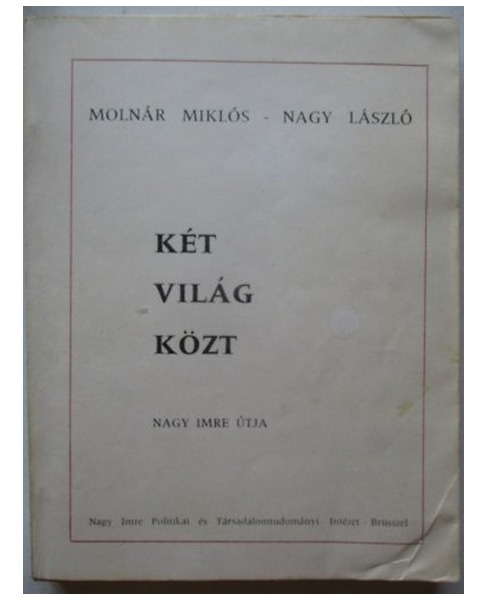
Két világ közt (Nagy Imre útja)
Molnár, Miklós (1959)
Published in Brussels by the Imre Nagy Institute for Political Research, this monograph examines the political career and ideological development of Imre Nagy. The work focuses on the 1953 'New Course' reforms and Nagy's tragic attempt to reconcile national sovereignty with democratic socialism, providing a critical source for Cold War political science.
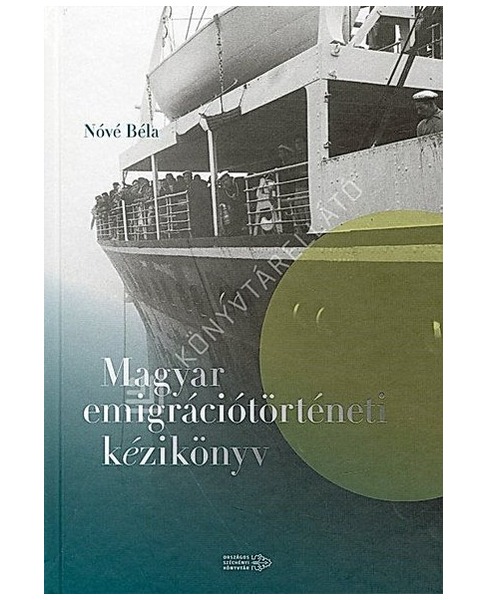
Magyar emigrációtörténeti kézikönyv
Nóvé, Béla (2023)
Béla Nóvé's comprehensive historical handbook documents 20th-century Hungarian emigration, with particular focus on the massive post-1945 and post-1956 refugee waves. The volume meticulously chronicles exile political organizations, cultural institutions, archives, and press publications worldwide, serving as an indispensable research guide to the Hungarian diaspora.